
In their upcoming workshop on breathwork and modern medicine, Dr Anthony Soyer and Tracy Elner explore the direct and indirect benefits of Pranayama, qigong and other breath disciplines on our health and well-being. Their workshop combines ancient teachings with scientific developments that support the efficacy of these systems. Dr Anthony explains more…
Krishnamurti once stated that “
breath transfers the electrical energy (qi or prana) of the cosmos into the manifest physical world”. In modern life, adaptability of breath is more important than ever for our general well-being. The ancients intuitively understood the deeper benefits of breath practices for health and physical performance, factors which are only recently being understood through the ground-breaking science of HRV or Heart Rate Variability measurement.
In a practical workshop embracing pranayama, modern breath techniques and qigong, we will explain and show how certain techniques enhance physical performance and biochemical resilience to illness.
One example of this is the yogic practice of slowing down and extending the breath to rates of four or less per minute, as can be achieved in deep meditation. This increases carbon dioxide levels in the blood, making it more acidic. The body responds by releasing more oxygen and dilating the arteries and airways to compensate for perceived biochemical or physical stress. This results in a biochemical resilience within the tissues of the body, as well as stimulating a parasympathetic state that allows restoration and growth.
Other ancient breathwork techniques include specific sequences of breath – such as rapid breathing (
kapalbhati) and alternate nostril breathing (nadi shodhana). Both mechanisms result in physiological effects that bring the neurological and autonomic nervous systems under conscious control; something that was originally believed to be impossible.
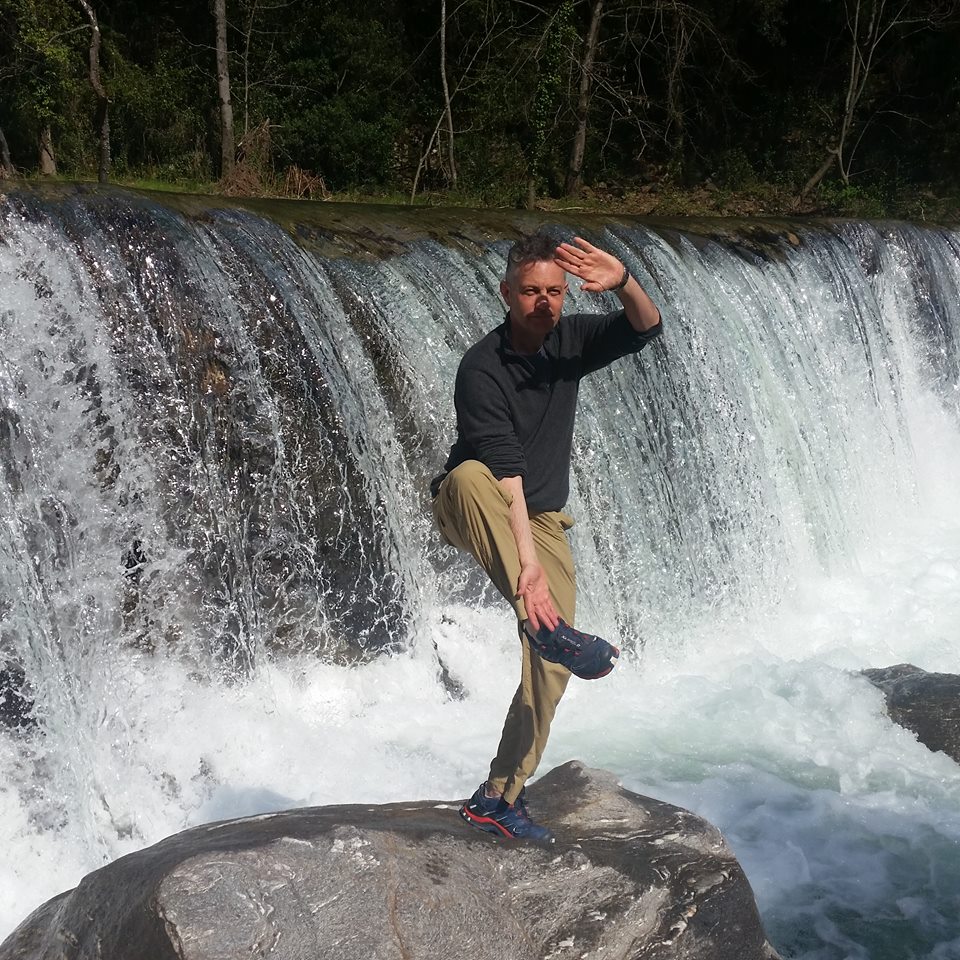
In the Taoist form of standing qigong (comparable to yoga’s
tadasana pose), the psoas muscles are naturally engaged to hold the body in a relaxed yet dynamic, yin-yang state. Through correct and relaxed postural alignment, you can experience the gentle flow of bio-electromagnetic life force (qi or prana) and its conscious circulation in concert with the breath. In our workshop, we will teach a simple technique that will allow you to store this life force in a way that will promote health and extend life.
Ready to step onto the mat?
Join a class at Triyoga — 30+ styles across Camden, Chelsea, Ealing, Shoreditch and livestream.